Buying a vacation home in Kitty Hawk can look simple on the surface: find a beach house you love, picture long weekends on the Outer Banks, and start planning your first stay. In reality, the smartest buyers look beyond the view. If you want a second home that fits your lifestyle, budget, and possible rental goals, you need to understand how location, access, flood risk, parking, and carrying costs work in Kitty Hawk before you make an offer. Let’s dive in.
Why Kitty Hawk Stands Out
Kitty Hawk offers a different feel than buyers often expect from a beach town. According to the Town of Kitty Hawk, the area includes a long-established village, newer beach-community cottages, and the large natural setting of Kitty Hawk Woods.
That mix matters when you shop for a vacation home. A property near the beach, in the village area, or closer to the woods and soundside can deliver a very different ownership experience even though all three are in the same town.
Know Kitty Hawk’s Three Main Settings
Before you focus on bedrooms, decks, or rental projections, narrow down which part of Kitty Hawk fits how you plan to use the home. The town’s zoning map shows beach zones, village zones, and Kitty Hawk Woods, with different residential and commercial intensity levels.
Beach areas
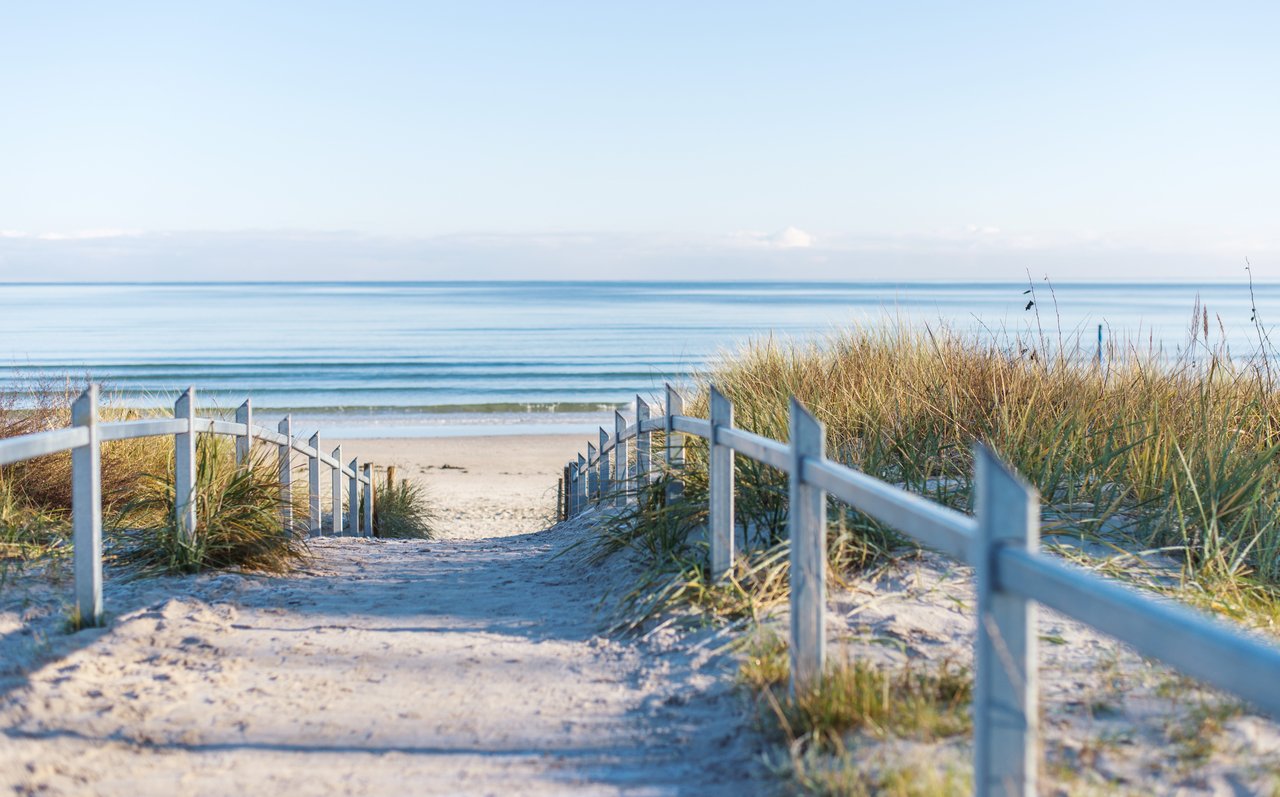
Beachside homes often appeal to buyers who want quick access to the ocean and a classic Outer Banks vacation-home feel. If your top priorities are frequent beach days, easy guest appeal, and strong vacation-home atmosphere, this may be the first area to explore.
That said, not every beachside address functions the same way. Your daily experience can change based on the nearest beach access, parking, and how easily family or guests can move in and out during busy weeks.
Village areas
Village properties can offer a more residential feel while still keeping you close to coastal amenities. For some buyers, that balance works well if you want a second home that feels less tourism-centered and more like a place you can settle into throughout the year.
This can also be useful if your goal is part personal retreat, part occasional rental. You may find the setting matters just as much as the house itself.
Woods and soundside areas
Kitty Hawk Woods covers 1,877.2 acres and sits near the center of town. It is a major maritime forest and marsh system located about a quarter-mile from the ocean.
For buyers, that creates a nature-oriented side of Kitty Hawk that is very different from an oceanfront-only market. If you want a quieter setting, a different type of view, or a home that feels more tucked away, this part of town may be worth a closer look.
Beach Access Should Be Part of Your Search
One of Kitty Hawk’s advantages is public access. The town says it offers many public beach accesses with parking, 266 total parking spaces, public restrooms and showers at the bathhouse, summer lifeguard coverage at several access points, and a handicap-accessible public sound access at Windgrass Circle. You can review those details on the town’s beach information page.
If you expect regular family visits, guest turnover, or frequent beach days, this should shape your home search early. A house that looks great online may function very differently depending on how easy it is to reach the nearest access and how practical that access is during peak season.
Understand local beach rules
Kitty Hawk is not a free-for-all beach environment. The town prohibits beach driving, leaving chairs or gear overnight, beach fires, glass on the beach, and launching motorized watercraft from the Atlantic beach, according to the same town beach rules.
That is not necessarily a downside, but it is important to know before you buy. If your ideal vacation-home lifestyle includes driving on the beach or a more permissive setup, Kitty Hawk may feel different from what you had in mind.
Compare Kitty Hawk to Nearby Towns
Kitty Hawk often works well for buyers who want a middle-ground option on the Outer Banks. Based on public beach-access policies, it is generally more open than Duck or Southern Shores, where access and parking are more limited, but it is not always as access-heavy as some parts of Kill Devil Hills or Nags Head.
For example, Duck states that it has no public beach access locations and no public parking at beach accesses. That comparison helps show why buyers who care about convenient public access often keep Kitty Hawk high on their list.
Parking Matters More Than You Think
Vacation-home buyers often focus on views and sleeping capacity, but parking can become a real issue fast. Kitty Hawk requires on-site parking, with a minimum of two parking spaces for any single-family residence, according to the town’s residential building guide.
The town also ties parking capacity to septic-permit occupancy or heated square footage, whichever is less. In practical terms, that means driveway layout, lot shape, and usable parking area deserve a close review, especially if you expect visitors or plan to rent the home at times.
Questions to ask about parking
- How many vehicles can fit on-site without blocking access?
- Does the lot layout work for guest arrivals and departures?
- If you plan to rent, does the parking support the home’s legal occupancy?
- Is there enough room for your own family plus guests during busy weeks?
Flood Risk and Elevation Need Early Attention
In coastal markets, two homes that look similar can carry very different risk profiles. Dare County recommends checking the flood zone and flood history with the Planning Department before you buy, and notes that flood-insurance availability can also be affected by coastal erosion and CBRS-related issues. You can start with Dare County’s before-you-buy flood guidance.
The county’s flood maps include AE, VE, Shaded X, and X zones. That means you should not assume one ocean-area property has the same insurance picture or long-term risk profile as the next.
Ask for the elevation certificate
For new construction and major work, Kitty Hawk requires elevation and freeboard standards, flood-resistant materials below the regulatory flood elevation, and an elevation certificate before a certificate of occupancy is issued, according to the town’s building guide.
If you are buying an existing home, ask whether the seller has a current elevation certificate and how the lower level is actually used. This is one of those details that can affect insurance, renovation planning, and your comfort level with the property.
Insurance Is Separate From the Mortgage Conversation
Many second-home buyers underestimate how early insurance needs to enter the process. Dare County explains that flood insurance is separate from homeowners insurance, is required by law for federally backed mortgages in applicable situations, and usually comes with a 30-day waiting period. You can review that on the county’s flood insurance page.
That timing matters. If you wait too long to sort out flood coverage, you can create avoidable stress during the contract period.
A practical move is to talk with your lender, insurance agent, and financial professional before comparing homes too closely. In Kitty Hawk, monthly ownership costs can change meaningfully based on flood zone, coverage needs, and the home’s specific characteristics.
Rental Potential Is About More Than Weekly Rate
If you plan to offset costs with rentals, think in terms of net income, not just peak-season pricing. The Outer Banks Visitors Bureau says most visitors stay in weekly rental homes, Saturday is the busiest arrival and departure day, some property managers offer Friday or Sunday changeovers, and off-peak months usually bring smaller crowds and lower prices. That information is available through the Outer Banks travel planning guide.
This should shape how you evaluate a vacation home. Your owner-use calendar, turnover schedule, shoulder-season demand, and how often you truly plan to visit all belong in the same conversation.
Look at the full rental math
Dare County reports that visitor spending surpassed $2.1 billion in 2024 and tourism supported 12,260 jobs. The county also levies a 6% occupancy tax on short-term lodging, according to the Outer Banks tourism data page.
That supports the case for rental demand, but it also reminds you to run the full numbers. Gross rent is only one part of the picture.
Consider:
- Occupancy tax
- Property management fees
- Cleaning costs
- Routine maintenance
- Storm-related repairs
- HVAC, pool, or spa upkeep if applicable
- Owner stays that block rental weeks
Ask better property-management questions
Local property managers commonly advertise services like revenue management, marketing, housekeeping, linens, maintenance, owner portals, and 24/7 guest support, based on standard Outer Banks management offerings such as those outlined by Sun Realty’s property management overview.
When you evaluate a vacation home, ask:
- What is included in the management fee?
- Are cleaning and maintenance in-house or outsourced?
- How is owner time reserved?
- How are emergency repairs handled during peak season?
- Who coordinates guest issues after hours?
Taxes and Carrying Costs Need a Real-World Budget
A vacation home budget should go far beyond principal and interest. Dare County says its countywide revaluation became effective January 1, 2025, and property taxes are based on assessed value multiplied by the annual tax rate set by officials. You can review that on the county’s 2025 revaluation page.
Kitty Hawk also notes in its budget materials that part of the town levy is dedicated to beach nourishment, and the town has completed multiple nourishment projects while using dedicated tax revenues and reserve funds for future work. Those details appear in the town’s budget information.
For you, the takeaway is simple: coastal ownership costs can include more than a standard tax bill. A smart budget should account for taxes, insurance, utilities, maintenance, and the realities of owning in a coastal environment.
A Simple Checklist Before You Buy
Before you make an offer on a vacation home in Kitty Hawk, make sure you can answer these questions clearly:
- Which setting fits you best: beach, village, or woods?
- How easy is the nearest beach or sound access to use?
- Does the property have enough on-site parking?
- What flood zone is the home in?
- Is there an elevation certificate available?
- What are the projected monthly carrying costs?
- If you plan to rent, what does the manager handle?
- How much owner use is realistic after turnover schedules and peak demand are factored in?
Buying a vacation home in Kitty Hawk can be a great move when the property matches the way you plan to use it. The key is to look at the whole picture, not just the listing photos. If you want practical guidance as you compare locations, review property details, and weigh second-home goals against real carrying costs, connect with Brink Team Homes for straightforward support from search to closing.
FAQs
What should you know about different areas of Kitty Hawk before buying a vacation home?
- Kitty Hawk includes beach areas, village areas, and the woods/soundside area, and each one offers a different ownership experience based on setting, access, and use.
What should you ask about parking when buying a Kitty Hawk vacation home?
- You should confirm how many on-site vehicles the property can handle, whether the layout works for guests, and whether parking supports the home’s occupancy limits.
What should you review about flood risk before buying in Kitty Hawk?
- You should check the flood zone, ask about flood history, and request any available elevation certificate early in your due diligence.
What should you know about renting out a vacation home in Kitty Hawk?
- You should evaluate owner-use timing, turnover days, taxes, management fees, maintenance costs, and what services a property manager actually includes.
What carrying costs matter most for a Kitty Hawk second home?
- Key costs include mortgage payment, property taxes, flood insurance, homeowners insurance, utilities, maintenance, and any rental-related operating expenses.