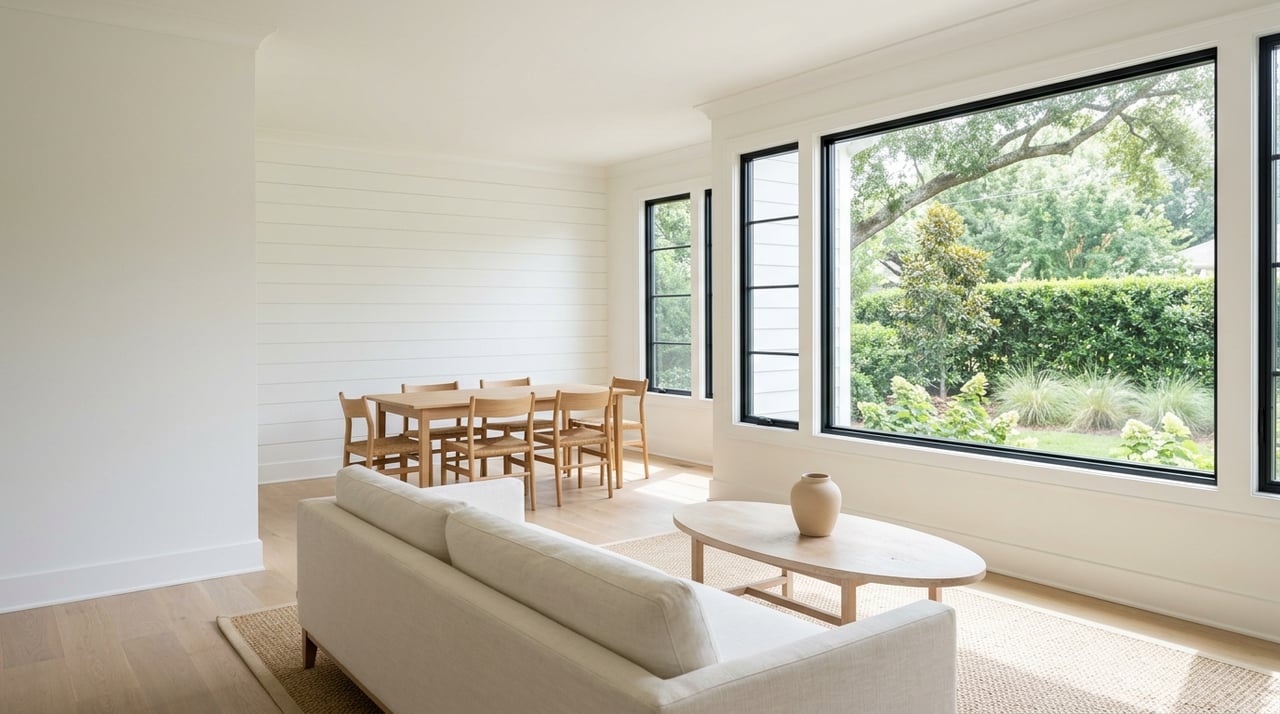
If you want to sell your Chesapeake home with confidence, preparation is where that confidence starts. Buyers in today’s market still move on well-presented homes, but they also have time to compare options, notice condition, and negotiate when something feels off. The good news is that a smart pre-listing plan can help you reduce surprises, strengthen your presentation, and feel more in control from day one. Let’s dive in.
Why prep matters in Chesapeake
Chesapeake remains an active market, but it is not a market where you can ignore the details. Recent public data shows homes are generally landing in the low-to-mid $400,000s, with about a month to a month and a half to go under contract depending on the source. According to Realtor.com’s Chesapeake market overview, the median for-sale price is $430,000 and median days on market is 32.
Other public snapshots tell a similar story. Zillow reports a typical home value of $413,755 and homes going pending in around 36 days, while Redfin reports a median sale price of $425,000, 45 days to go pending, a 99.5% sale-to-list ratio, and 16.8% of homes with price drops. Put simply, buyers are still active, but presentation, pricing, and condition matter.
Start with the basics first
Before you think about listing photos or showings, focus on the items that shape a buyer’s first impression. A clean, simplified home tends to feel larger, brighter, and easier to picture as someone else’s future space. That matters both online and in person.
The National Association of Realtors reports that 83% of buyers’ agents said staging makes it easier for buyers to visualize a property as a future home. You do not need a full makeover to benefit from that principle. Often, the most effective first steps are the simplest ones.
Declutter and depersonalize
Start by removing anything that makes the home feel overly busy or too personal. Clear countertops, reduce what is visible in closets and storage areas, and pack away seasonal decor, family photos, and extra furniture if rooms feel tight.
If your home is vacant or only partly furnished, even light staging or intentional furniture placement can help buyers understand how each room works. NAR’s staging guidance supports this approach because buyers respond well when spaces feel functional and easy to understand.
Deep clean key surfaces
A thorough cleaning goes a long way, especially before photography. NAR’s preparing-to-sell guide notes that sellers may want to clean windows, carpets, lighting fixtures, and walls before showings.
In practical terms, focus on the areas buyers notice quickly:
- Windows and glass doors
- Floors and baseboards
- Kitchen and bath surfaces
- Light fixtures and ceiling fans
- Entry areas and high-traffic spaces
Improve curb appeal
Your exterior sets the tone before a buyer even walks inside. Curb appeal also affects listing photos, which can influence whether a buyer decides to schedule a showing in the first place.
Simple tasks can make a real difference:
- Mow the lawn
- Trim shrubs and trees
- Sweep porches and walkways
- Put away trash bins
- Remove extra cars from the driveway for photo day
- Clean outdoor furniture and entry areas
Realtor.com’s listing photo recommendations specifically call out these steps because exterior presentation shapes online interest right away.
Fix small issues before buyers see them
Small repair items may not feel urgent when you live in the home every day. To a buyer, though, several minor issues at once can create the impression that maintenance has been deferred. In a market where many homes sell close to list price rather than far above it, those details can affect both confidence and negotiation.
NAR says a pre-sale inspection can help identify issues before a home is shown. It is not required, but it can help you decide what to repair, what to price around, and what to be ready to discuss if questions come up.
Tackle the easy repair list
A strong pre-listing checklist often includes:
- Leaky faucets
- Loose handrails
- Broken door hardware
- Torn window screens
- Burnt-out light bulbs
- Chipped trim or scuffed paint
- Small caulk touch-ups
These are usually manageable fixes, but they can improve the way your home shows. They also help reduce distractions during tours, where buyers should be focusing on the home itself rather than a running list of minor problems.
Price major issues realistically
If you know the roof, HVAC system, or major appliances are older, it is smart to understand their condition and likely replacement cost. NAR notes that even if you choose not to make significant repairs, buyers will often factor them into negotiations.
That does not mean you must update everything before listing. It means you should go into pricing and negotiations with a clear plan.
Get documents ready early
One of the best ways to feel more confident as a seller is to organize your paperwork before your home goes live. This helps reduce last-minute scrambling and supports a smoother transaction once offers start coming in.
Virginia has specific disclosure requirements, and sellers must provide required disclosures before ratification under the Virginia Residential Property Disclosure Act. The law also covers additional disclosures in certain situations, including matters such as pending building code or zoning violations, privately owned stormwater facilities, repetitive risk loss, and septic system permit validity.
Build a pre-listing file
Gather documents such as:
- Appliance manuals and warranties
- Repair receipts and contractor invoices
- Records of updates or improvements
- Permit documentation if applicable
- Insurance or flood-related paperwork if relevant
Having these materials ready can make your disclosures more organized and give buyers clearer information about work that has already been done.
Know if lead-based paint rules apply
If your home was built before 1978, federal lead-based paint disclosure rules may apply. The EPA states that sellers of qualifying homes must disclose known lead-based paint hazards, provide available records, include the EPA pamphlet and warning statement, and give buyers a 10-day opportunity to test unless the parties agree otherwise. You can review those requirements on the EPA’s property seller guidance.
Pay attention to Chesapeake flood considerations
In Chesapeake, flood risk is a topic worth addressing early, not late. The city states that flooding can happen anywhere, that most of the city is susceptible to some level of flooding, and that the majority of homeowners’ insurance policies do not include flood protection. The city also notes that flood insurance can take 30 days to go into effect.
If your home is waterfront, low-lying, or has had prior flood-related concerns, it is worth verifying your flood zone before listing. Buyers may ask about insurance, elevation, or prior conditions, and having accurate information ready can make those conversations much easier.
Gather flood-related records
The city provides floodplain ordinance and mapping resources, and elevation certificates may be available on request in some cases. If any of these documents apply to your property, pull them together before your home hits the market.
This step can help buyers better understand the property and can reduce uncertainty during due diligence.
Check permits before larger projects
If you are thinking about doing pre-listing work beyond paint, cleaning, and cosmetic touch-ups, pause and verify whether permits are needed. In Chesapeake, the city’s eBUILD Chesapeake system supports permit applications, plan review, and inspection scheduling.
The city’s fee schedule also includes costs for beginning work without a permit. For sellers, the practical takeaway is simple: if a project involves structural work, fencing, electrical, plumbing, HVAC, gas, or similar trade work, it is wise to confirm requirements before getting started.
That can help you avoid delays, paperwork issues, or disclosure questions once you are under contract.
Prepare for photos and showings
A large share of your buyer traffic will start online, which means your listing photos need to do their job well. Realtor.com notes that photos are the most important feature for many buyers searching online, so your home needs to look bright, clean, and accurate.
Use a photo-day checklist
Before photos, aim to:
- Open blinds and curtains
- Make beds
- Dust and vacuum
- Remove personal items
- Hide pet items
- Put away visible paperwork
- Clear kitchen and bath counters
- Move cars from the driveway
Realtor.com’s photo prep guidance and NAR’s home-selling privacy and safety tips both support this kind of prep because it helps your home read clearly and comfortably online.
Keep photos honest
Good listing photos should be attractive, but they should also be accurate. Over-editing or misleading virtual changes can create disappointment when buyers walk through the door.
A better approach is to show the home as it really lives on its best day. Wide, bright, current images that clearly communicate layout, light, and outdoor features tend to build more trust.
Plan for privacy and access
Once your home is active, you should expect some disruption. Buyers, inspectors, appraisers, and repair professionals may all need access during the transaction process, and some may take photos or video as part of their work.
NAR recommends removing or securing sensitive items before showings. That includes mail, calendars, passwords, medication, firearms, valuables, and personal papers. If you prepare for short-notice showings and keep the home tour-ready, you give yourself a better chance of capturing serious buyer interest quickly.
How preparation supports pricing
Preparation is not just about appearances. It also shapes how buyers react to your asking price and how strongly they negotiate.
In Chesapeake, homes are still often trading close to asking price, but not all homes get there without adjustments. Realtor.com reports a 100% sale-to-list-price ratio in its market snapshot, while Redfin reports a 99.5% ratio and notes that 16.8% of homes had price drops. That tells you something important: buyers are paying attention to value.
When your home is clean, repaired, documented, and well presented, it is easier to support your price. When buyers see obvious deferred maintenance or unanswered questions, they are more likely to negotiate for repairs, credits, or a lower number.
Sell with a clear plan
If you are preparing to sell in Chesapeake, the goal is not perfection. The goal is to remove the easiest objections before the first showing, present the home honestly and well, and walk into the market with a stronger strategy.
At Brink Team Homes, we believe sellers do best when they have straightforward guidance, practical preparation steps, and a clear plan from the start. If you are getting ready to list your Chesapeake home, our team can help you prioritize what matters, avoid unnecessary stress, and move forward with confidence.
FAQs
What should sellers do first before listing a home in Chesapeake?
- Start with decluttering, deep cleaning, and fixing small visible issues so your home is ready for photos, showings, and pricing conversations.
Does flood risk matter when selling a home in Chesapeake?
- Yes. The City of Chesapeake says flooding can happen anywhere, most of the city is susceptible to some level of flooding, and flood-related information can affect buyer confidence and insurance questions.
Should Chesapeake sellers get a pre-sale inspection?
- It is not required, but NAR says a pre-sale inspection can help you identify issues early, estimate repair costs, and make better pricing decisions.
What disclosures are required when selling a home in Virginia?
- Virginia sellers must provide required disclosures before ratification, and some properties may require additional disclosures depending on the situation under state law.
Do sellers need permits for pre-listing work in Chesapeake?
- If the work goes beyond cosmetic updates and involves structural, electrical, plumbing, HVAC, gas, fence, or similar trade work, you should check city permit requirements before starting.
How important are listing photos when selling a Chesapeake home?
- Very important. Public guidance from Realtor.com says photos are a top feature for online home searches, so clean, bright, accurate photos can directly affect buyer interest.